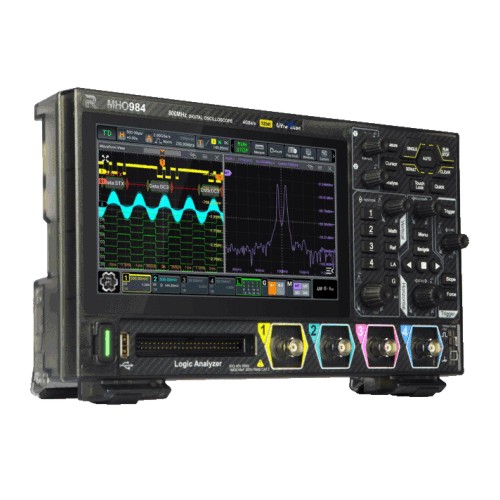
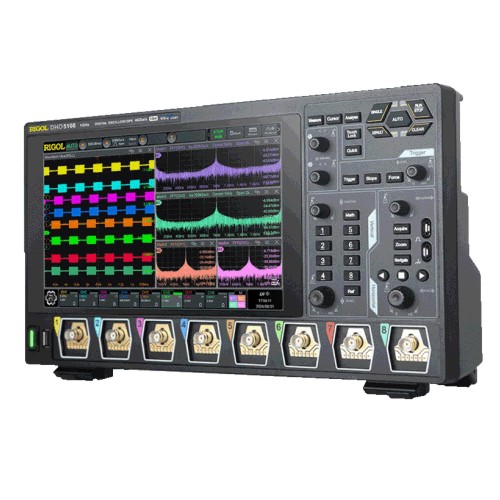
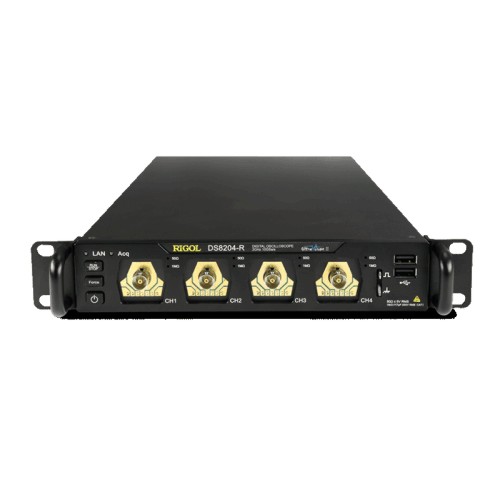
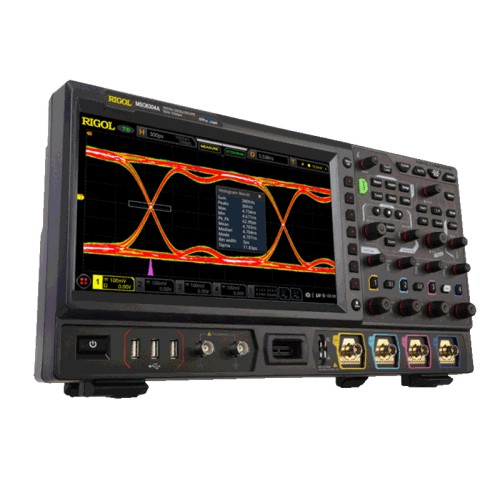
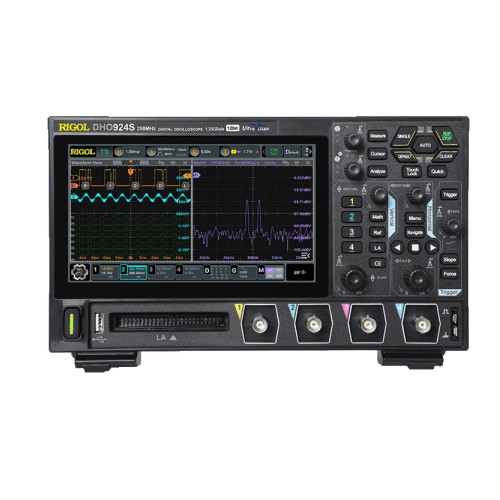
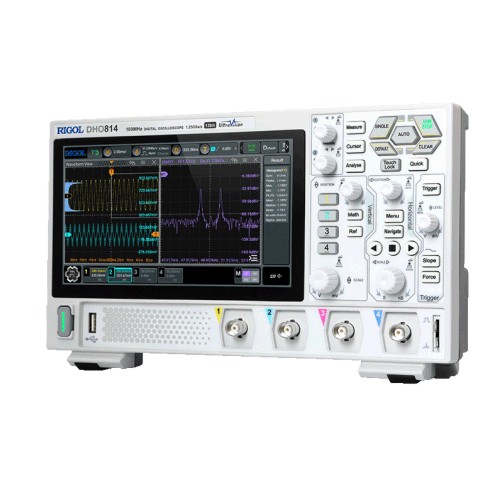
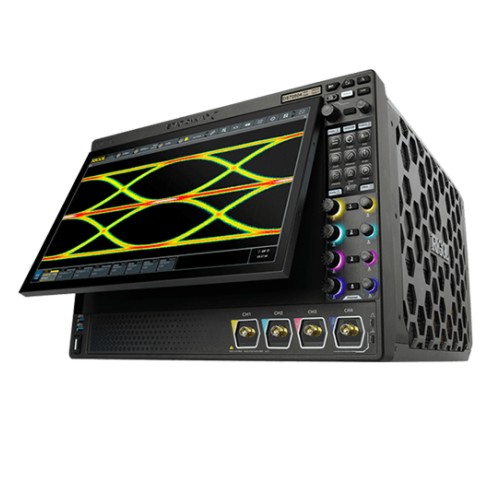
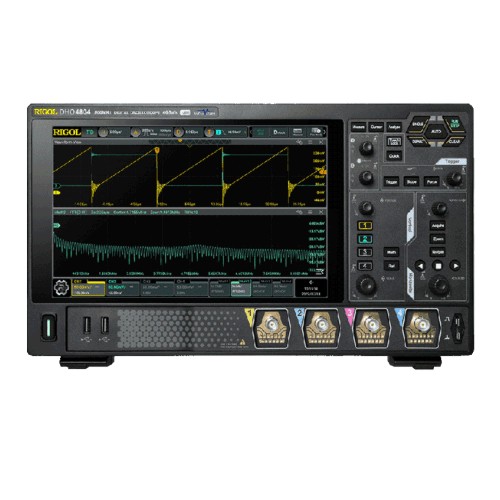
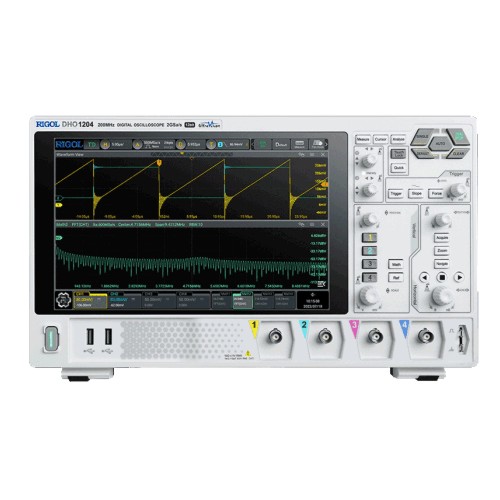
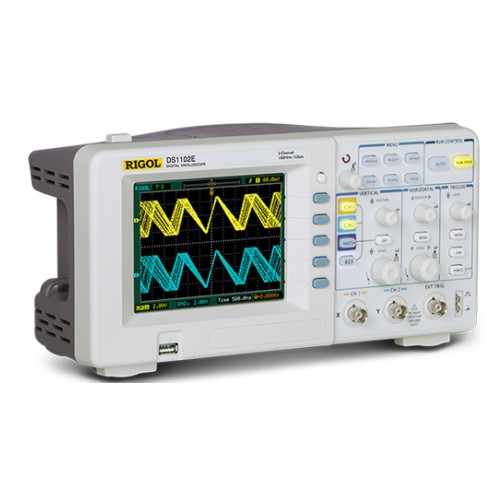
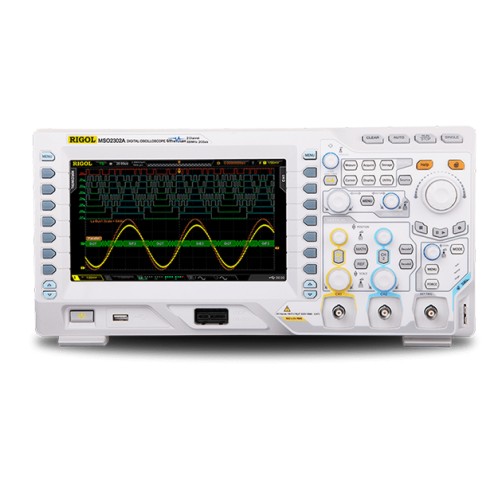
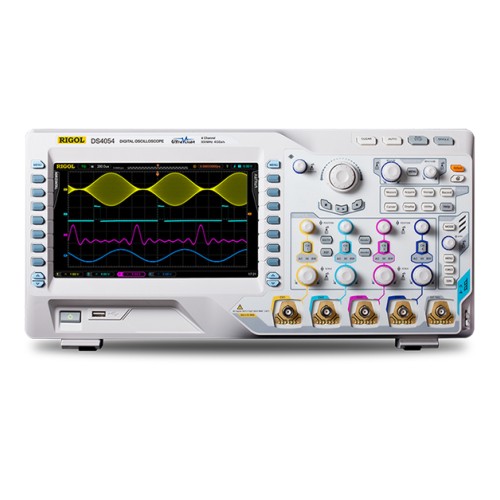
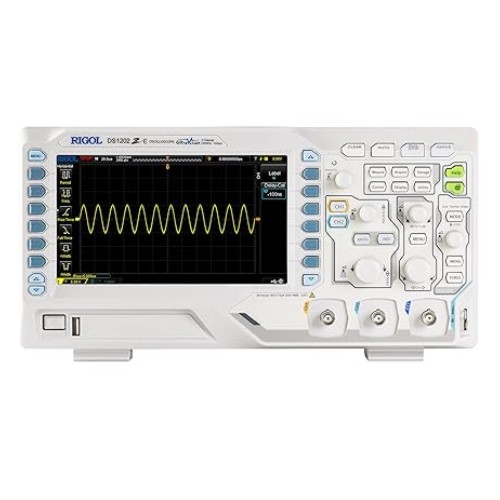
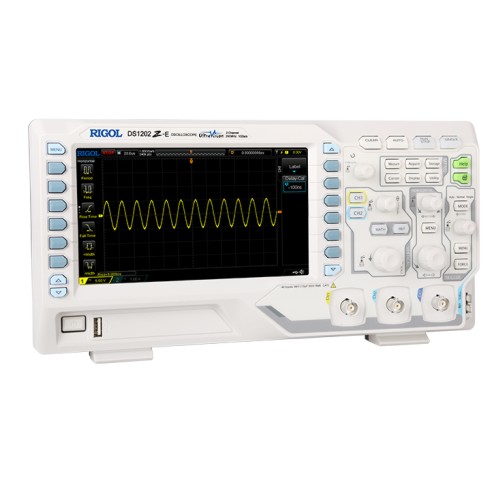
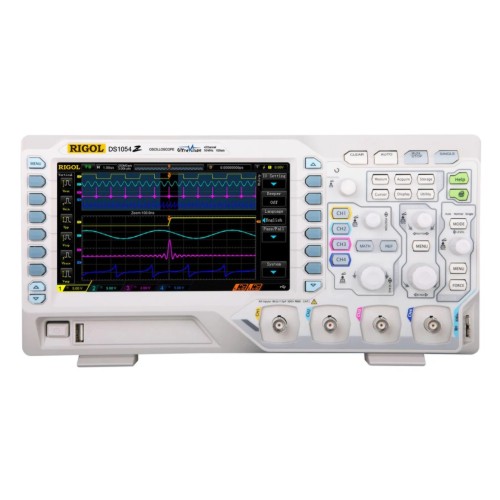
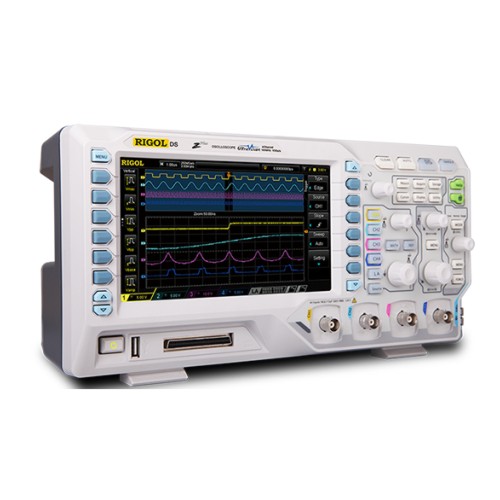
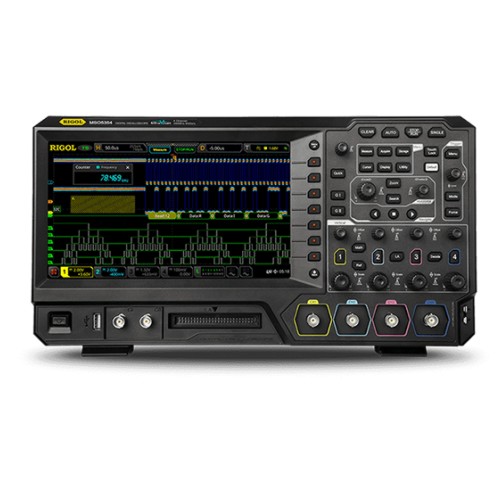
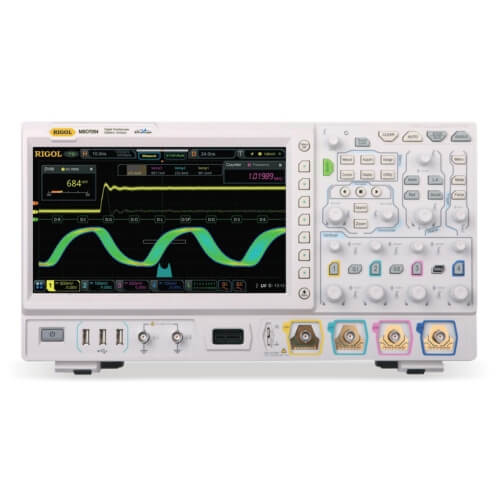
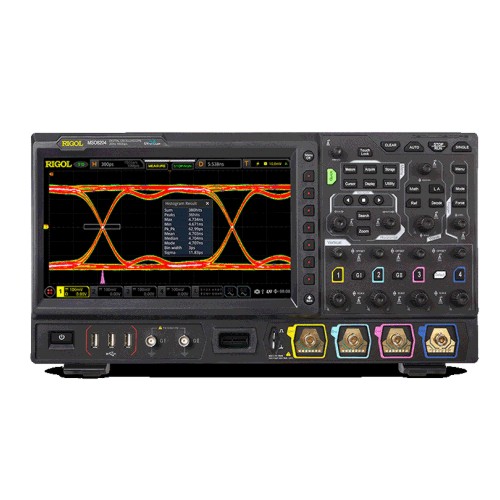
Oscilloscopes
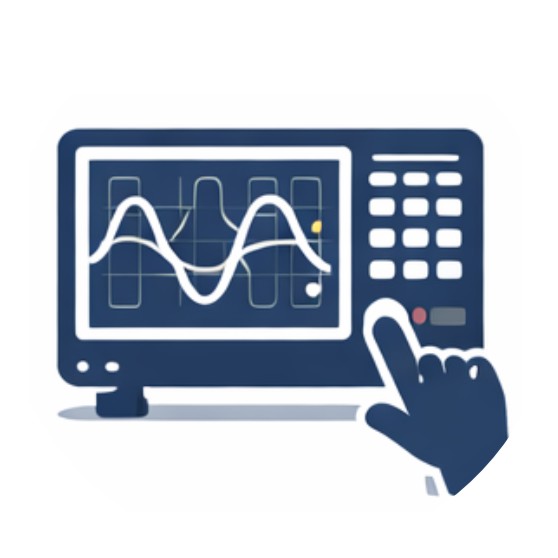
From bench to field, Scientech Oscilloscopes deliver the precision, speed, and reliability engineers demand. Whether you’re selecting your first oscilloscope for lab experiments or upgrading to a high-performance digital storage oscilloscope, our solutions are trusted by designers, manufacturers, and service professionals worldwide.
Whether you’re evaluating features or comparing the oscilloscope price across brands, Scientech offers reliable, high-performance instruments at competitive pricing, without compromising on accuracy or durability.
Choose the Best Oscilloscope for Your Use
Scientech Technologies is a trusted manufacturer and global supplier of digital oscilloscope (DSO oscilloscope) instruments, serving engineers, researchers, educators, and students across industries.
Every dso oscilloscope in our lineup is built with precision-grade components and rigorously tested before delivery, so you can measure with confidence from day one.
Our portfolio includes
Whether you’re searching for an affordable digital storage oscilloscope price for educational labs or evaluating a high-bandwidth digital oscilloscope price for R&D, we provide scalable solutions tailored to your technical requirements and budget.
Need help selecting the right oscilloscope?
All Scientech oscilloscopes feature
These features accelerate debugging, simplify signal analysis,
and enhance productivity.
Types of Oscilloscope
Understanding the types of oscilloscope available helps you choose the right instrument:
1. Analog Oscilloscope: Traditional scopes that display continuous signals without digital processing.
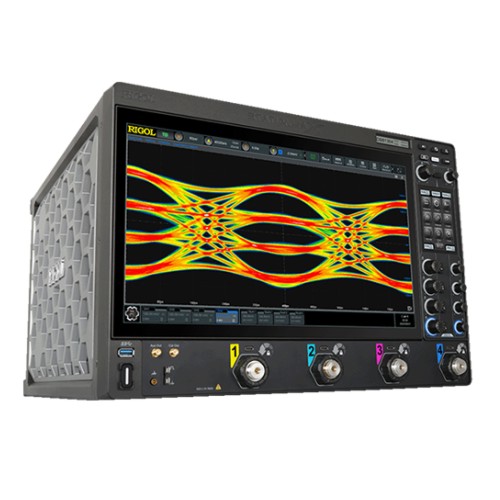
2. Digital Storage Oscilloscope (DSO): The most widely used type today. A digital storage oscilloscope captures, stores, and analyzes digital waveform data.
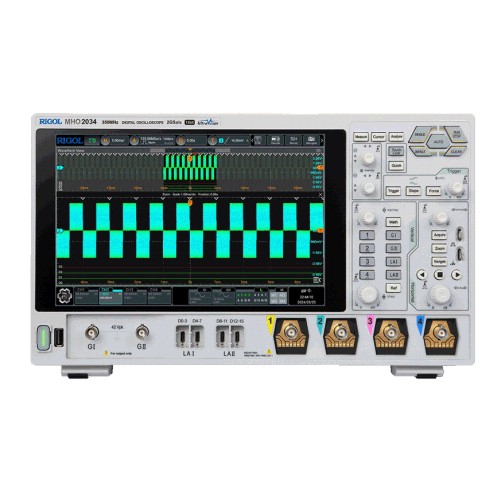
3. Mixed Signal Oscilloscope (MSO): Combines analog and digital channels, ideal for embedded system debugging.
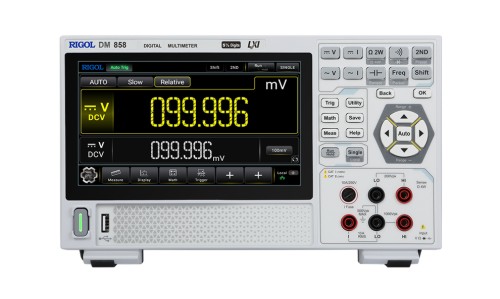
4. Handheld Oscilloscope Multimeter: A portable oscilloscope multimeter integrates waveform analysis with multimeter functionality, making it ideal for field service and maintenance engineers.
Oscilloscope Uses Across Industries
Understanding oscilloscope uses helps determine the right model for your needs.
Applications of Oscilloscopes
Talk to our sales team to find the best oscilloscope
solution for your industry
Oscilloscope Price & Buying Considerations
When comparing oscilloscope price, consider:
- Bandwidth requirements
- Sampling rate
- Number of channels
- Memory depth
- Advanced features (FFT, protocol decoding, etc.)
The dso price or digital storage oscilloscope price varies based on performance specifications and application needs. Entry-level educational models offer affordable pricing, while high-bandwidth R&D scopes come at a premium digital oscilloscope price.
At Scientech, we ensure competitive pricing across our entire oscilloscope range,
delivering performance, durability, and long-term value.
FAQs for Oscilloscopes
An oscilloscope is an electronic test instrument that displays electrical waveforms on a screen. It shows voltage variations over time, allowing users to analyze signal behavior accurately. Engineers use a digital oscilloscope or analog scope to measure amplitude, frequency, rise time, and to detect distortion or noise in circuits. Understanding basic oscilloscope uses is essential for electronics testing and troubleshooting.
A Cathode Ray Oscilloscope (CRO) is a traditional analog oscilloscope that displays waveforms using a cathode ray tube (CRT). It works by directing an electron beam onto a fluorescent screen, where the beam movement corresponds to the input signal. Unlike a digital storage oscilloscope, a CRO does not store waveforms but is still useful for observing real-time analog signals and performing basic voltage and frequency measurements.
A Digital Storage Oscilloscope (DSO oscilloscope) is a modern digital oscilloscope that converts analog signals into digital data using an Analog-to-Digital Converter (ADC). The captured waveform is stored in internal memory and displayed for detailed analysis. A digital storage oscilloscope allows waveform storage, automatic measurements, advanced triggering, and precise signal analysis, making it ideal for R&D labs, production testing,
When comparing digital storage oscilloscope price or dso price, features like bandwidth, sampling rate, and memory depth should be considered. and field diagnostics.

To use an oscilloscope, connect the probe to the input channel and then to the test circuit. Adjust the vertical scale (Volts per Division) and horizontal scale (Time per Division) based on the signal you are measuring. Set the trigger controls to stabilize the waveform display.
With a digital oscilloscope or DSO oscilloscope, you can also enable automatic measurements to quickly calculate voltage, frequency, duty cycle, and other parameters.
An oscilloscope is used to observe, measure, and analyze electrical signals in electronic circuits. Common oscilloscope uses include troubleshooting circuit faults, testing signal quality, measuring voltage and frequency, and analyzing waveform characteristics.
It is widely used in:
- Electronics design and R&D
- Industrial production testing
- Automotive and EV systems
- Telecom and RF analysis
- Education and university laboratories
Some professionals also use a portable oscilloscope multimeter for field service and on-site diagnostics.
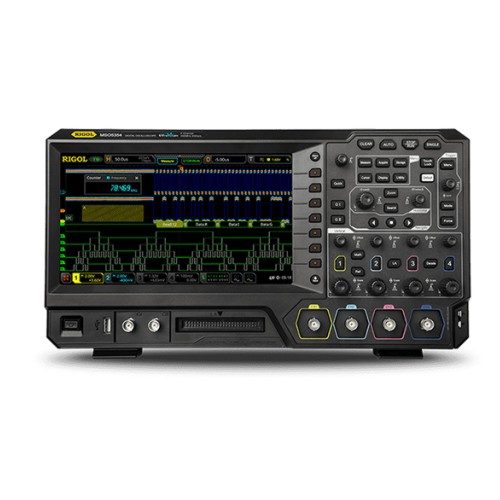
A digital oscilloscope works by sampling the incoming analog signal at a high speed and converting it into digital data using an ADC. The captured signal is stored in memory (hence the name digital storage oscilloscope) and processed by the internal system before being displayed as a waveform on the screen.
Higher sampling rates and greater memory depth improve signal accuracy and detail. While evaluating digital oscilloscope price, these technical specifications play a key role in performance and cost.