

TL;DR
- This blog is ideal for engineers, technicians, students, and professionals who want to understand what instrumentation is and the importance of calibration in industrial processes.
- Instrumentation involves measuring, monitoring, and controlling parameters like temperature, pressure, and flow to ensure smooth operations.
- Accurate measurements are critical for safety, product quality, and efficient decision-making across industries.
- Calibration ensures instruments provide reliable and precise data by aligning them with standard references.
- Regular calibration reduces downtime, prevents costly errors, extends equipment life, and helps meet standards like ISO and NABL.
Instrumentation calibration is critical because safety, quality, and efficiency largely depend on accuracy. Instruments that are properly calibrated provide consistent and reliable data, thus, enabling industries to maintain a steady level of production and eliminate expensive mistakes. Even minor errors can cause serious operational consequences or even hazards in such important industries as manufacturing and healthcare.
Calibration routines also make sure that the industry standards like ISO and NABL are met, and decision-making is made easier by means of accurate and reliable data. It minimizes downtime, eliminates equipment failures and also increases the life of instruments making it an essential practice to any system that requires accurate measurements.
Related Blogs:
- Data Logging and Remote Monitoring: Driving Efficiency Across Research and Industry
- What Is Digital Storage Oscilloscope?
- Transforming Labs with Workbenches: Bringing Industrial Discipline to Education
What is Instrumentation?
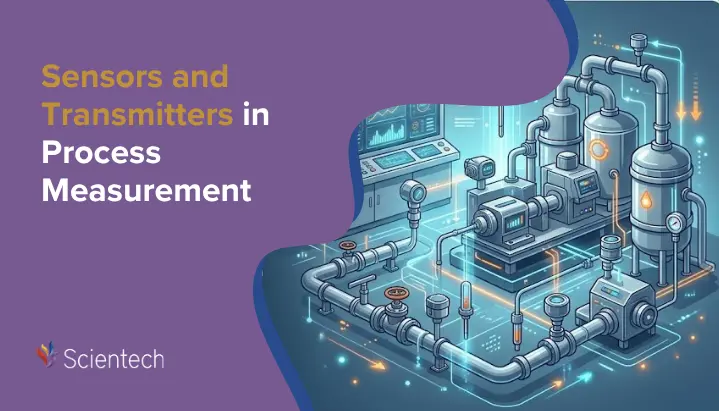
Instrumentation is the science and technology of measuring, monitoring, and controlling of physical parameters including temperature, pressure, flow and level. In simple words, it is possible to think about instrumentation as the utilization of instruments and devices to gather the correct data and provide the smooth and efficient functioning of systems. It is essential in industries as it supplies real-time data that assists in the maintenance of process stability, as well as improvement of productivity, and the guarantee of safety.
Types of instruments incorporated in instrumentation systems are analog, digital, and smart instruments, among others, and each has different degrees of accuracy and functionality. Measurement, monitoring, and control are the primary functions of instrumentation, which apply in conjunction to control industrial processes. Understanding instrumentation helps industries optimize processes, reduce errors, and maintain quality standards.
What is Calibration in Instrumentation?
Calibration in instrumentation is the process of comparing an instrument’s readings with a known standard to ensure its accuracy. The definition of calibration revolves around detecting any deviation in measurements and adjusting the instrument to produce correct and reliable results.
The difference between calibration and measurement lies in their purpose—measurement is the act of obtaining a value, while calibration ensures that the value obtained is accurate. The main purpose of calibration in instrumentation systems is to maintain precision, improve reliability, and ensure that instruments perform consistently within acceptable standards.
Why Accuracy Matters in Instrumentation?
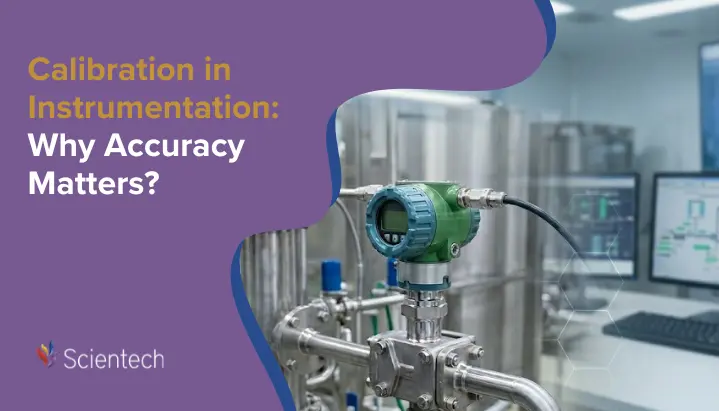
Instrumentation accuracy is extremely vital since a slight miscalculation of the readings may cause significant outcomes. Inaccurate data may disrupt processes, cause loss of efficiency, and lead to misinformed decisions that affect system performance.
The inaccurate information in the industries like oil and gas, healthcare, and manufacturing industries may pose serious safety risks, such as malfunction of the equipment and dangerous conditions. It can also cause financial losses due to faulty products, resource wastage, and downtime. Proper instrumentation is also essential to meet industry standards and regulatory requirements, ensuring successful audits and ongoing compliance.
Benefits of Calibration
- Greater Measurement Accuracy: Guarantees instruments to give accurate and reliable results to improve process control.
- Enhanced Product Quality: Accurate measurements help maintain consistency and meet quality standards in production.
- Reduced Downtime and Maintenance Costs: Early detection of errors prevents unexpected breakdowns and reduces repair expenses.
- Longer Equipment Life: Calibration results in the instruments being in a good condition and prolongs their life.
- Regulatory Compliance (ISO, NABL, etc.): Assists organisations to ensure compliance with the industry standards and easily pass audits.
Types of Calibration
Pressure Calibration: Ensures accurate measurement of pressure in systems such as pipelines, boilers, and hydraulic equipment.
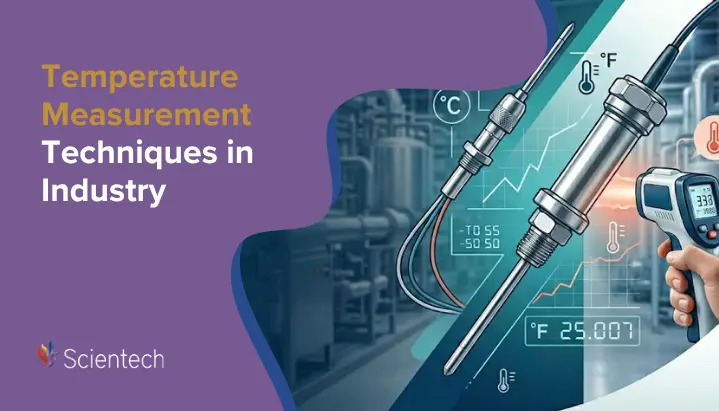
Temperature Calibration: Verifies the precision of temperature-measuring devices like thermometers, thermocouples, RTDs, and other sensors in industrial processes.
Electrical Calibration: Focuses on instruments that measure electrical quantities such as voltage, current, resistance, and power, ensuring devices like multimeters, ammeters, voltmeters, and power analyzers provide accurate readings.
Flow Calibration: Ensures the accuracy of flow meters used to measure liquid or gas flow rates in industries like oil and gas, chemical plants, and water treatment.
Dimensional Calibration: Verifies the accuracy of physical measurements such as length, thickness, and diameter using tools like calipers, micrometers, and gauges.
Level Calibration: Ensures correct measurement of liquid or solid levels in tanks, silos, and vessels using level sensors or gauges.
Torque Calibration: Checks the accuracy of torque-measuring instruments used in engines, machinery, and fastener applications.
Mass/Weight Calibration: Confirms the accuracy of weighing scales and balances used in laboratories and industrial weighing systems.
Choosing the Right Calibration Service
Choosing the right calibration service is not just about meeting requirements but ensuring reliable and consistent accuracy. One should choose an ISO/IEC 17025 certified laboratory because that ensures compliance to recognised standards. Professionals who possess good technical background are able to work with a broad number of instruments and provide accuracy in terms of calibration.
The service efficiency and quality of equipment used is equally important. A modern provider with well-maintained instruments will deliver more precise results. Fast turnaround times and detailed reports help avoid delays and keep operations running smoothly.
Conclusion
Knowledge about instrumentation brings to focus the need to have accurate measurement, monitoring and control in any industrial process. Calibration is important in the functioning of these instruments to ensure that they are reliable so as to maintain the precision and consistency of the system and efficiency.
Accuracy does not only focus on performance but also on safety, quality and compliance. Frequent calibration is a way of eliminating errors, minimizing risks, and increasing productivity. To ensure reliable results and a clean running business, then you should prioritize calibration- book your calibration today and ensure that your systems run at their optimum level.
FAQs
Instrumentation is a science and technology used to measure, monitor and control such physical parameters as temperature, pressure, flow, and level. It employs different tools and mechanisms to gather precise information, effective operations, control of processes, and safety of different industries.
The frequency of calibration depends on the application, environment, and industrial standards. Depending on their importance, some instruments may need to be calibrated every month or quarterly and some may need to be calibrated every year to ensure accuracy and compliance.
Uncalibrated instruments may produce false readings, leading to poor decision-making, safety risks, product defects, and financial losses because of process inefficiencies or failure of equipment.
Traceability is the process of connecting the results of the calibration to the national or international standards by a continuous chain of comparisons. It guarantees reliability, accuracy and universality of results of measurement.
Yes, frequent calibration can be used, to identify the first signs of wear or malfunction in time, and to carry out the maintenance. This will avoid significant failures and improve the total life expectancy of instruments.